For-Sale Tract and Production Housing
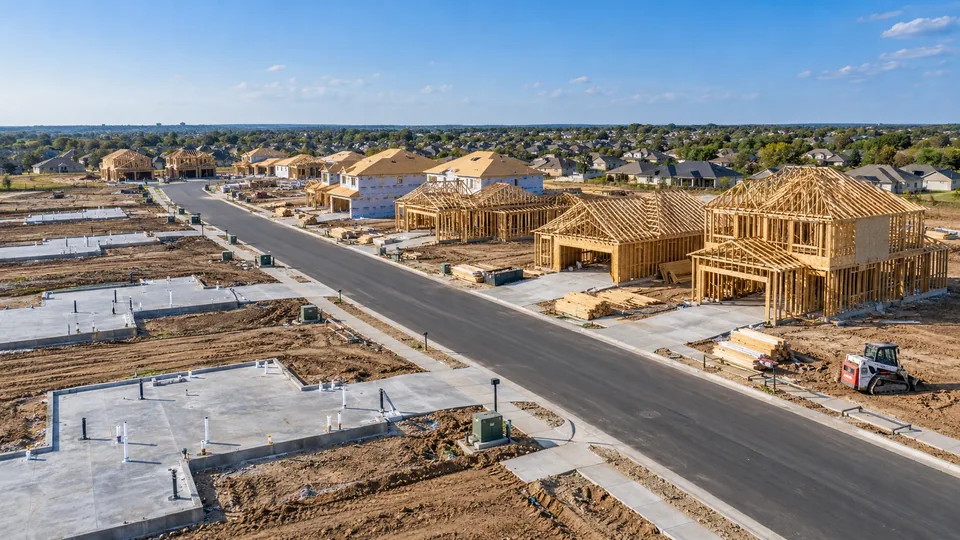
Production builders close homes phase by phase, so completed operations exposure begins on the first closing and stacks up for years. Each phase adds new homeowners who can bring claims, and claims often name every trade that touched the foundation, framing, roofing, windows or plumbing. The insurance program has to keep responding long after the subcontractors who did the work have moved on, changed insurers or closed.
That is why builders pay close attention to subcontractor insurance: additional insured endorsements that extend into completed operations, policies without residential or tract exclusions and certificate tracking that follows each sub for years. Many contractor GL forms exclude residential work or limit it to a set number of units, so a subcontractor's certificate may look fine while its policy excludes the project.
Model homes, sales offices and phased infrastructure add their own wrinkles. Model homes may be held for years and need property coverage after construction. Streets and utilities built ahead of homes may be dedicated to a city, with improvement security posted by the developer.
The contractor's side of these subcontract and certificate requirements is covered in residential general contractor insurance.
Build-to-Rent Communities
Build-to-rent projects look like tract housing during construction but behave differently afterward. The developer or its capital partner keeps the homes, so there is no stream of individual buyers, and defect claims tend to come from the owner itself or later purchasers of the portfolio. That changes how completed operations and the owner's own property program fit together.
During construction, builders risk often needs to address many detached units at different stages, sometimes on a reporting basis as homes start and finish. Lenders and equity partners typically set the limits, deductibles and named insured structure in their exhibits, and the handoff from builders risk to the permanent property policy should be timed unit by unit or phase by phase to avoid gaps.
Reporting forms, partial occupancy and handoff terms are explained under builders risk for residential and multifamily.
Multifamily Over Podium
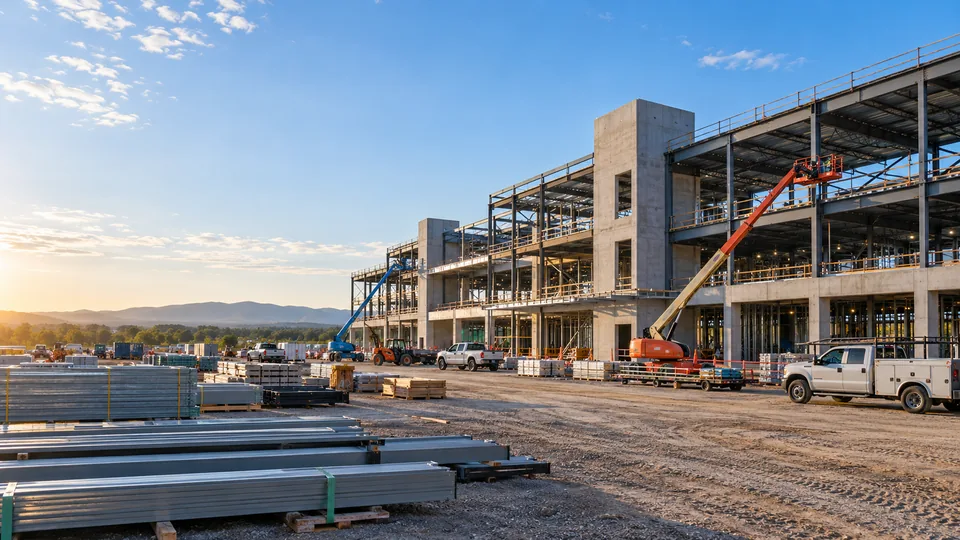
A common multifamily form is several stories of wood framing over a concrete podium that holds parking, retail or amenities. During framing, the exposed wood frame is at its most vulnerable to fire, and builders risk insurers often focus on site security, fire watch, standpipe and sprinkler milestones and hot-work controls. Deductibles and terms may depend on those controls and on the project's construction type.
Water is the other major theme. Podium decks, balconies, roofs and window systems are frequent sources of later water intrusion claims, and on rental projects the owner absorbs those claims directly. Builders risk water damage terms during construction and liability for resulting damage after completion should both be reviewed, along with the mechanical, electrical and plumbing values that grow late in the job.
Condominiums and the For-Sale Defect Tail
Condominium projects concentrate defect exposure. A homeowners association can bring claims on behalf of many owners for common areas, roofs, building envelopes and shared systems, and claims may arrive late in the repose period. Many contractor GL policies exclude condominium or for-sale multifamily work outright, which narrows the insurers available to the developer and every subcontractor.
That is a common reason condo developers use a wrap-up. A controlled program puts the developer, GC and enrolled subcontractors under one policy with a completed operations term that can extend well after completion, instead of relying on dozens of separate policies that may lapse or exclude the work. The trade-off is administration, enrollment and the cost of the extended term.
Sponsor duties, enrollment and completed operations terms are explained in owner-controlled wrap-up programs for condos.
Residential Defect Laws in CA, TX, AZ and NV
California's Title 7 of the Civil Code (starting at §895) sets standards and a prelitigation process for residential construction defect claims, and Civil Code §941 generally bars actions under that title more than 10 years after substantial completion. Civil Code §2782(d) makes subcontract provisions that indemnify the builder or GC for defect claims unenforceable to the extent the claims arise from the builder's or GC's own negligence or fall outside the sub's written scope, for residential contracts entered into after January 1, 2009.
Texas Property Code chapter 27 applies to most residential defect actions and requires the claimant to give the contractor written notice of the defects before the 60th day preceding suit, with an opportunity to inspect and offer settlement. Arizona's purchaser dwelling action statutes, starting at A.R.S. §12-1361, require written notice to the seller before suit and give the seller and its construction professionals a right to inspect and to repair or replace. Nevada's NRS chapter 40 requires a written pre-suit notice of constructional defects, which a contractor must forward to its subcontractors within 30 days, and NRS 11.202 bars most actions more than 10 years after substantial completion.
These processes affect insurance in practical ways. Notices should go to insurers promptly, repair offers may need insurer consent and the timeline for responding can be short. Policies sometimes address voluntary repairs differently from claims, so ask how each form treats a statutory notice.
How long the policy must keep responding is the subject of completed operations liability for residential builders.
Affordable and Agency-Financed Housing
Residential projects financed with HUD-insured loans, tax credits or state housing funds carry agency rules on builders risk, liability, bonds, prevailing wage and contractor fees in addition to the lender's requirements, and those rules change from year to year.
Those rules are set out under affordable housing construction insurance.
Surety and Public Improvements on Residential Projects
Residential developers often post subdivision improvement security for streets, utilities and drainage that a city or county will accept. That is surety, not insurance: the bond protects the public agency as obligee, and the developer signs an indemnity agreement with the surety. Surety underwriting looks at the developer's balance sheet, the project budget and the status of the improvements, so the bond program should be planned alongside the loan.
Obligees, release and underwriting are covered in subdivision improvement bonds.
Before You Ask for a Quote
What to Gather
- Unit count, product type and whether units are for sale or held
- Construction type, podium design and framing schedule
- Lender and equity partner insurance exhibits
- Subcontractor list with each sub's GL residential and condo exclusions
- Phasing plan and closing or lease-up schedule
- Subdivision improvement agreement and bond requirements
What to Ask the Insurer or Surety
- Do any subcontractor policies exclude residential, tract or condo work?
- How long would a wrap's completed operations term run, and at what cost?
- What fire controls does the builders risk insurer require during framing?
- How does builders risk hand off to permanent property as units finish?
- How should statutory defect notices be reported to each insurer?
- What will the surety need to support improvement bonds for this phase?
Quick Answer
Residential and multifamily insurance turns on who owns the units after completion; for-sale homes and condos carry the longest defect tail, while rentals and podium projects shift weight to builders risk and water intrusion.
Common Mistake
Accepting a subcontractor certificate without checking whether its GL policy excludes residential, tract or condominium work, which can leave the builder without the risk transfer it expected.
Broker Perspective
A broker screens subcontractor forms for residential exclusions, models a wrap against individual policies on condos and sets builders risk fire conditions before framing starts.
Coverage Impact
Coverage typically depends on residential and condo exclusions, the completed operations term and how statutory defect notices are reported and handled.
Questions Buyers Ask
Why is condo construction so much harder to insure than apartments?
Because for-sale units bring an association and many owners who can bring defect claims for years after completion. Many contractor GL forms exclude condominium work, which shrinks the insurer pool for the developer and the trades. Apartments held by one owner usually draw fewer and more predictable claims, so more insurers will consider them.
Does a build-to-rent project need the same insurance as a for-sale subdivision?
Not exactly. Both need builders risk and liability during construction, but build-to-rent owners keep the homes, so there are no individual buyers bringing defect claims in the early years. The lender and equity exhibits drive more of the program, and the handoff from builders risk to permanent property needs careful timing.
What does a builders risk insurer look for on a wood-frame podium project?
Typically fire protection and site controls during framing: security, fire watch, hot-work permits, standpipe availability and the sprinkler activation schedule. Values for mechanical and electrical systems and the construction type also matter. Terms and deductibles may change based on these controls, so share the fire safety plan early.
A homeowner sent a defect notice under state law. Do we tell our insurer before responding?
In most cases, report it promptly. California, Texas, Arizona and Nevada each set a prelitigation process with inspection and repair steps, and insurers may need to consent before you offer repairs or payment. Late reporting or voluntary repairs without consent can complicate how the policy responds, depending on the form.
Official Sources
- NRS 40.645, 40.646, 40.6472, 40.649 and 40.693 (constructional defect actions), Nevada Legislature. Pre-suit notice, 30-day forwarding, 90-day response, insurer duties, indemnity limits and wrap-up disclosures for residential contracts after February 24, 2015 Verified 2026-10-25.
- NRS 11.202 and 11.2055 (statute of repose; substantial completion), Nevada Legislature. 10-year repose including injury and wrongful death, exceptions, and the latest-of definition of substantial completion Verified 2026-10-25.
- Cal. Civil Code §941 (Title 7 construction defect actions), California Legislative Information. Title 7 (Civil Code §895 et seq.) governs residential construction defect actions; no action more than 10 years after substantial completion, with stated exceptions. Verified 2026-10-23.
- Cal. Civil Code §2782(d) (residential subcontract indemnity), California Legislative Information. For residential contracts after January 1, 2009, sub indemnity of the builder or GC for defect claims is unenforceable to the extent of the builder's or GC's negligence or outside the sub's scope. Verified 2026-10-23.
- Tex. Prop. Code ch. 27 (Residential Construction Liability), Texas Legislature. §27.002 application to construction defect actions; §27.004 written notice before the 60th day preceding suit, with inspection and settlement offer. Verified 2026-10-23.
- A.R.S. §12-1363 (dwelling actions: notice and right to repair), Arizona State Legislature. Purchaser must give written notice to the seller before a dwelling action; seller and construction professionals may inspect and repair or replace (with §12-1362). Verified 2026-10-23.
Reviewed by the Principal, Gleason Insurance Brokers, LLCUpdated