
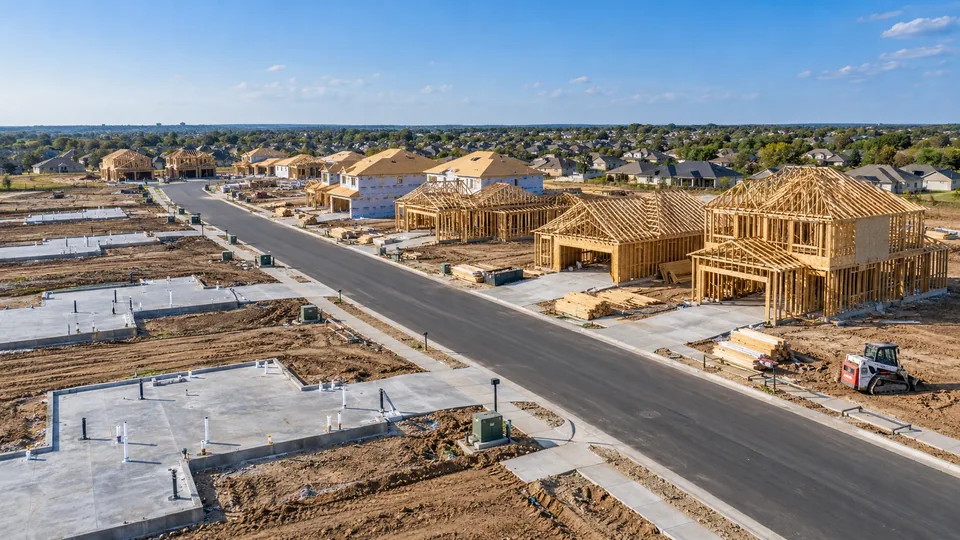
The Fires Behind the Rebuild
CAL FIRE's incident pages describe the 2024 fires behind most current mountain and foothill rebuilding. The Line Fire burned in the San Bernardino Mountains north of Highland, with Running Springs and Arrowbear Lake among the responding areas. The Bridge Fire burned across Los Angeles and San Bernardino counties and destroyed 81 structures, with Wrightwood and Pinon Hills among the communities defended. The Airport Fire destroyed 160 structures in the Trabuco Canyon and Rose Canyon areas of Orange and Riverside counties, and the Mountain Fire destroyed 243 structures after starting near Somis in Ventura County.
San Bernardino County opened Local Assistance Centers to help with cleanup and rebuilding after the Bridge and Line fires.
The coverage map for any rebuild is in our guide to wildfire and disaster rebuild insurance.
Wildland-Urban Interface Construction Standards
California's construction rules for wildland-urban interface areas, which govern exterior walls, roofs, eaves, vents, decks, glazing and doors, moved from Chapter 7A of the Building Code into the California Wildland-Urban Interface Code, Title 24, Part 7, effective January 1, 2026, according to the Building Standards Commission. Rebuilt homes and cabins in these areas are typically designed to those standards, which affects materials, cost and the values a builders risk policy needs to carry.
The state also released updated Fire Hazard Severity Zone maps for local responsibility areas in phases during 2025 under Executive Order N-18-25, and the Board of Forestry has been developing rules for an ember-resistant zone next to structures. Owners and contractors confirm the current zone and local ordinance for each parcel.
How these standards affect property coverage is explained in builders risk in Fire Hazard Severity Zones.
County Rebuild Programs
Los Angeles County Public Works publishes a step-by-step rebuild process for Bridge Fire properties, from debris clearance through plans, permits, inspections and a certificate of occupancy, with permits through EPIC-LA and the district Building and Safety offices. Ventura County's private debris removal guidance for the Mountain Fire notes that the Air Pollution Control District waived demolition notification fees and the usual waiting period for those sites. Each county sets its own fees, timelines and requirements.
For the valley side of the San Bernardino Mountains, see Inland Empire construction insurance.
Steep Sites, Access and Cabin Construction
Mountain rebuilds bring practical risks that shape the insurance program: narrow access roads, snow and storm seasons, retaining walls and slopes, septic and well work and long material deliveries. Theft and weather damage to materials on site, damage to neighboring property during grading and runoff from disturbed slopes are common concerns. A builders risk policy that covers materials in transit and stored off site, and a liability program that addresses earth movement, are usually reviewed before mobilizing.
Earth movement exposure for site work is explained in excavation and grading contractor insurance.
Debris and Runoff on Burned Slopes
Burned slopes can shed ash and sediment into drainages during storms, and debris removal on mountain lots can involve hazardous materials. Contractors grading or clearing burned sites commonly look at contractors pollution liability alongside general liability, since many general liability forms exclude pollution.
The pollution side is explained in debris flow and runoff exposure on burn-scar sites.
Before You Ask for a Quote
What to Gather
- Parcel fire hazard zone and the local ordinance in effect
- Designs showing wildland-urban interface construction details
- Debris removal and soil documentation
- Access, staging and storage plans for materials
- Lender or owner insurance requirements
What to Ask the Insurer or Surety
- Will builders risk be written for the fire peril at this address?
- Does the policy cover materials in transit and stored off site?
- How are earth movement and runoff handled on these slopes?
- Which county rebuild program applies to this parcel?
Quick Answer
Southern California mountain and foothill rebuilds after the 2024 Line, Bridge, Airport and Mountain fires typically follow wildland-urban interface construction standards and county rebuild processes, and contractors need builders risk, liability and often pollution coverage placed with carriers willing to write high hazard areas.
Common Mistake
Assuming the usual builders risk carrier will write a mountain rebuild. Fire hazard zones, access and values can change the market, so carriers are confirmed before contracts are signed.
Broker Perspective
We confirm the parcel's hazard zone, the design standard and the access plan first, because those decide which property carriers will look at the risk.
Coverage Impact
Builders risk terms for fire, earth movement and materials in transit, and pollution exclusions in liability policies, drive what responds on a mountain rebuild.
The Same Requirement in Other States
Questions Buyers Ask
What building code applies to rebuilding cabins in fire areas?
California's wildland-urban interface construction rules now sit in the California Wildland-Urban Interface Code, Title 24, Part 7, effective January 1, 2026. Local amendments and the parcel's hazard zone also apply.
Why is builders risk harder to place for mountain rebuilds?
High fire hazard zones, limited access and higher replacement values can narrow the carriers willing to write the fire peril. Terms and deductibles vary, so the market is checked before the contract is signed.
Which fires are mountain communities rebuilding from?
Recent rebuilding follows the 2024 Line Fire in the San Bernardino Mountains, the Bridge Fire around Wrightwood, the Airport Fire in Trabuco and Rose canyons and the Mountain Fire near Somis, among others.
Does Los Angeles County have a rebuild process for Bridge Fire properties?
Yes. Los Angeles County Public Works publishes a step-by-step process from debris clearance through permits and inspections, with permits through EPIC-LA.
Official Sources
- Line Fire incident, CAL FIRE. San Bernardino County, September 2024, north of Highland, with Running Springs and Arrowbear Lake among the responding areas. Verified 2026-10-25.
- Bridge Fire incident, CAL FIRE. Los Angeles and San Bernardino counties, September 2024; 81 structures destroyed; Wrightwood and Pinon Hills among the communities defended. Verified 2026-10-25.
- Airport Fire incident, CAL FIRE. Orange and Riverside counties, September 2024, Trabuco Canyon and Rose Canyon; 160 structures destroyed. Verified 2026-10-25.
- Mountain Fire incident, CAL FIRE. Ventura County, November 2024, starting near Somis; 243 structures destroyed. Verified 2026-10-25.
- County wildfire efforts move from response to recovery (September 19, 2024), County of San Bernardino. Bridge and Line fires recovery, including Local Assistance Centers that help with cleanup and rebuilding. Verified 2026-10-25.
- Bridge Fire rebuild, Los Angeles County Public Works. Step-by-step rebuild process for Bridge Fire properties, with permits through EPIC-LA and district Building and Safety offices. Verified 2026-10-25.
- Mountain Fire private debris removal program, County of Ventura. Private debris removal guidance for Mountain Fire sites, including Air Pollution Control District fee and waiting-period waivers. Verified 2026-10-25.
- 2025 Title 24 code changes: Part 2 chapters 5, 7, 7A and 8, California Building Standards Commission. The 2025 cycle moved Chapter 7A wildland-urban interface construction rules into the California Wildland-Urban Interface Code, Title 24, Part 7, effective January 1, 2026. Verified 2026-10-25.
- Executive order to further prepare for future urban firestorms (N-18-25), Office of the Governor of California. Directed the phased release of updated Fire Hazard Severity Zone maps for Local Responsibility Areas in 2025. Verified 2026-10-25.
- Defensible space zones 0, 1 and 2, California Board of Forestry and Fire Protection. Rulemaking for the ember-resistant Zone 0 next to structures alongside the existing defensible space zones. Verified 2026-10-25.
Reviewed by the Principal, Gleason Insurance Brokers, LLCUpdated

