Acquisition and Predevelopment: What Comes with the Land
The first insurance question arrives before the deed transfers. Environmental history on a parcel can follow the new owner, and federal law gives some protection to purchasers who do the work first. EPA explains that to claim protection as an innocent landowner, contiguous property owner or bona fide prospective purchaser under CERCLA, an owner must conduct all appropriate inquiries before acquiring the property and meet continuing obligations afterward. ASTM E1527-21, the Phase I environmental site assessment standard, is one recognized way to satisfy that rule.
The Phase I report then becomes an underwriting document. Pollution underwriters read it when pricing site work, and recognized environmental conditions it identifies can shape exclusions on later policies. Meanwhile the owner of raw land holds premises liability for trespassers, dumping and any existing structures, which a vacant-land or owner's liability policy may address. If buildings stand on the site, decide early whether they will be demolished, renovated or insured as existing structures under builders risk.
Developers carry most acquisition-phase risk; see insurance planning for land developers.
Entitlement: When the Agency Asks for Security
Entitlement is mostly design, studies and approvals, so the insurable exposure is modest, but this is where future obligations get written. Conditions of approval often require the developer to build public streets, utilities and drainage. The agency usually asks for security that the work will be completed before it approves the final map or plat. That security is often a subdivision improvement bond: a surety's promise to the public agency, backed by the developer's indemnity, not insurance protecting the developer.
The bond amount and form usually follow the engineer's estimate and the agency's own requirements, and release typically comes in stages as the agency accepts the work. Line up the surety relationship before the map is ready to record; a surety reviews the developer's financial statements, project budget and track record, and that review takes preparation. Design professionals' own liability coverage also matters here, because their drawings will drive the risk on every later phase.
For the bond itself, read subdivision improvement bonds.
Horizontal Site Work: Soil, Water and What Is Underground
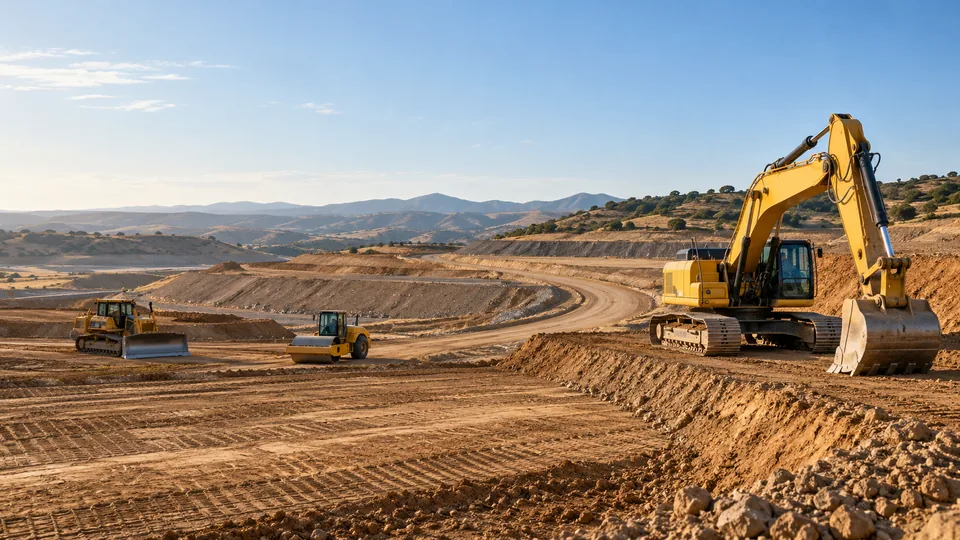
Grading, utilities and paving put the project's largest environmental and third-party exposures into the ground. EPA requires Clean Water Act permit coverage for stormwater discharges from construction activity that disturbs one acre or more, or less than an acre when it is part of a common plan of development that will disturb one acre or more. A sediment discharge, a fuel spill or disturbed contaminated soil is the kind of event a standard GL pollution exclusion may remove, which is why contractors pollution liability is often bought for this phase.
Excavation adds utility strikes. OSHA's excavation standard requires that the estimated location of underground installations be determined before an excavation is opened, and that utility owners be contacted and asked to locate their lines before digging starts. A strike can damage the utility, injure workers and interrupt service to neighbors, and how each policy responds depends on its wording and on who caused the loss. Site work is also where subdivision improvement obligations get performed, so the bond and the insurance program meet on the same ground.
- Confirm who holds the stormwater permit and who maintains the controls.
- Ask whether the GL form carries a total or limited pollution exclusion.
- Collect the civil contractor's pollution coverage and its additional insured terms.
For how pollution coverage is written for this phase, see contractors pollution liability for site work.
Who Carries Site Work Risk
On many projects the developer contracts site work separately from the building, sometimes years ahead of vertical construction. That means the civil contractor's own program carries much of the risk, and the developer's protection depends on that contractor's additional insured endorsements, pollution coverage and bonds. A subdivision developer who sells finished lots to builders may never insure a building at all, so the site work and completed operations exposures are the whole story.
Where the developer plans a wrap-up, decide whether it starts with site work or only with vertical construction. Excluding the civil contractor from the wrap is common, but it should be a deliberate choice, with that contractor's coverage reviewed against the exposures above.
For the project-type view, see subdivision and site improvement projects.
Vertical Construction: Builders Risk, Liability and Bonds
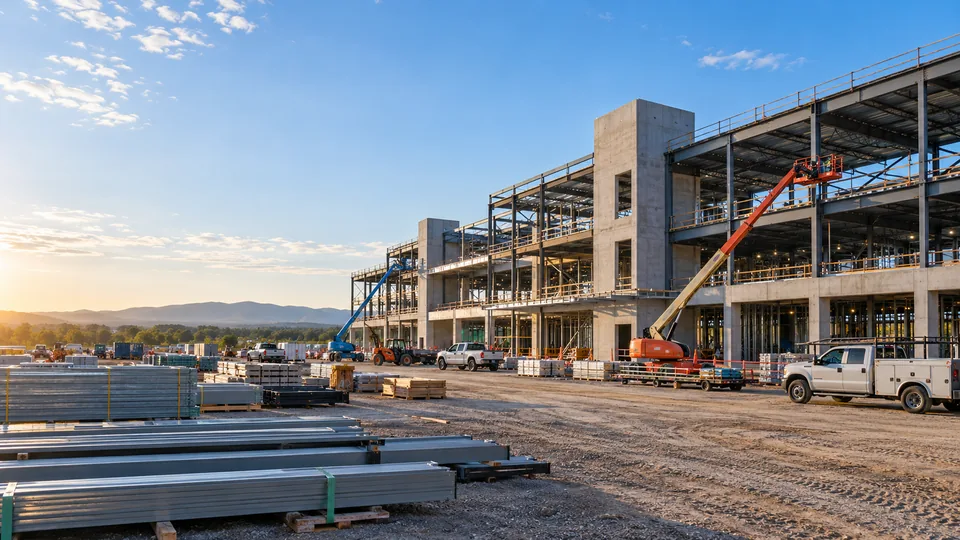
Once the structure goes up, three programs carry most of the weight. Builders risk insures the work in progress, materials on site and often materials in transit or stored off-site, and its values should rise with the project. Liability is handled either through each contractor's own GL, a project-specific policy or a wrap-up, and the choice determines whether limits are dedicated to the site. Performance and payment bonds, where the contract or a public agency requires them, protect the obligee if the contractor fails to perform or pay.
Each of these has a decision point. Who buys builders risk, the owner or the GC, is set in the construction contract and should match the lender's exhibit. Whether to sponsor a wrap depends on the project's size and the administration the owner is willing to carry. Bond requirements come from the contract or, on public work, from statute. Getting all three answers in writing before mobilization avoids most disputes later.
For values, insured interests and soft costs, see builders risk during construction.
Choosing the Liability Structure
The liability choice made at the start of vertical construction lasts for the life of the project. A wrap-up puts the owner or GC in control of one program for enrolled contractors, typically with a completed operations term that extends past turnover. Traditional contractor insurance leaves each party's program in place and relies on additional insured endorsements and indemnity clauses to move risk upstream. A project-specific policy for the GC sits in between, dedicating limits to the site without enrolling every subcontractor.
Which structure fits depends on project size, the owner's appetite for administration and the subcontractor market. The comparison is worth doing on paper before bids go out, because a wrap changes how subcontractors price their work.
For how wraps are set up, read owner and contractor wrap-up programs.
Commissioning and Turnover: Testing and the Handoff
Testing building systems is a high-risk moment. Energizing switchgear, running chillers or pressurizing piping for the first time can cause losses that never happen during ordinary construction. Builders risk forms often limit or exclude testing, or allow it only for a stated period, so ask how the form treats hot testing and commissioning, especially on data centers and industrial projects where equipment values are high.
Turnover is where builders risk and permanent property have to meet. Published lender standards expect builders risk to be replaced by permanent property insurance as buildings are completed, and most builders risk forms end or restrict coverage once the owner occupies or uses the building. Coordinate the effective date of the permanent policy with substantial completion so there is no day when neither policy applies.
For high-value equipment and testing, see testing and commissioning on data center builds.
Sales and Lease-Up: Partial Occupancy
On multifamily, tract housing and phased commercial work, residents or tenants often move into finished buildings while construction continues next door. Builders risk may end at occupancy for each completed building, the permanent property policy has to pick each one up and liability exposure shifts from construction to premises. Each phase release should be a scheduled event in the insurance plan, not a surprise at the next renewal.
For-sale product adds another turn: once units close, the buyers and their association become potential claimants for defects. That is the bridge into completed operations, and the documents gathered during construction, including subcontractor certificates, endorsements and contracts, become the evidence that matters.
For phased housing projects, see residential and multifamily construction.
Completed Operations: The Phase That Outlasts the Build
Defect and injury claims tied to finished work can arrive long after the last certificate of occupancy. Whether a policy responds depends on its completed operations terms: the aggregate, how long a wrap's completed operations coverage runs and whether subcontractors' policies name the owner and GC for completed operations, not just ongoing work. State statutes of repose limit how long some claims can be brought, and those periods vary.
This is also the phase where gaps from earlier decisions surface. An additional insured endorsement that covered only ongoing operations, a wrap that excluded a key trade or a missing waiver of subrogation can all leave the owner or GC exposed. Reviewing those documents before turnover costs far less than finding the gap during a claim.
For how the coverage works, read completed operations coverage after turnover.
Before You Ask for a Quote
What to Gather
- The Phase I environmental site assessment and any follow-up sampling reports
- Conditions of approval and the agency's improvement security requirements
- The stormwater permit coverage and the site work contracts
- The construction contract's insurance and bond exhibits and the lender's exhibit
- A phase schedule showing site work, vertical start, testing, occupancy and completion by building
- Each contractor's certificates and additional insured endorsements, ongoing and completed operations
What to Ask the Insurer or Surety
- Does the GL pollution exclusion leave a gap for site work, and what would a pollution policy add?
- How does the builders risk form treat testing, partial occupancy and phased completion?
- Does the wrap start with site work or vertical construction, and who is excluded?
- What does the surety need to review before issuing the improvement bond?
- How long does completed operations coverage run under the program we choose?
- When should the permanent property policy start for each building?
Quick Answer
Insurance and surety needs change by phase: environmental diligence at acquisition, improvement bonds at entitlement, pollution and excavation risk during site work, builders risk and project liability during construction, testing and occupancy at turnover and completed operations after the build.
Common Mistake
Buying each policy when its phase starts, without a plan for the next one. The gaps sit at the transitions, such as builders risk ending at occupancy before permanent property begins or a wrap that never covered site work.
Broker Perspective
Map every phase to a policy or bond, the party who buys it and the date it starts and ends, before the first binder is issued. Then check the transitions, because that is where claims fall through.
Coverage Impact
Phase decisions often decide coverage later: Phase I findings can shape pollution exclusions, the liability structure sets completed operations terms and builders risk wording on testing and occupancy can limit coverage at turnover, depending on the forms.
Questions Buyers Ask
When should insurance planning start on a new development?
Before the land closes. Environmental diligence, the choice between a wrap and traditional contractor insurance and the surety relationship for improvement bonds all take lead time, and decisions made at acquisition shape the terms available later. Starting with the full phase plan also lets the broker approach markets once with a complete story instead of placing each policy in isolation.
If the Phase I came back clean, do we still need pollution coverage for site work?
Often, yes. A clean Phase I lowers the chance of known contamination but does not address what the work itself can cause: sediment runoff, fuel spills, disturbed fill or drilling fluid releases. Many GL policies limit pollution coverage, so ask the civil contractor what pollution coverage it carries and whether the developer should be an additional insured on it or buy its own project policy.
Does builders risk stop when the first tenant moves in?
It may, for that building. Many builders risk forms end or restrict coverage once a completed structure is occupied or put to its intended use, though some allow partial occupancy with insurer consent. On phased projects, schedule the permanent property policy to start building by building, and confirm the builders risk wording in writing before any occupancy.
Which phase creates the longest-running exposure?
Completed operations. Claims for defects or injuries tied to finished work can come long after construction ends, within the limits set by each state's statute of repose. Whether those claims are insured depends on the completed operations terms of the project's liability program and on the endorsements subcontractors carried during the build.
Official Sources
- EPA, Brownfields All Appropriate Inquiries, U.S. Environmental Protection Agency. To claim CERCLA protection as an innocent landowner, contiguous property owner or bona fide prospective purchaser, owners must conduct all appropriate inquiries before acquiring the property and meet continuing obligations; ASTM E1527-21 satisfies the AAI rule. Verified 2026-10-23.
- EPA, Stormwater Discharges from Construction Activities, U.S. Environmental Protection Agency. A Clean Water Act permit is required for stormwater discharges from construction disturbing one acre or more, or less than one acre when part of a common plan of development or sale that will disturb one acre or more. Verified 2026-10-23.
- OSHA, 29 CFR 1926.651 (Specific excavation requirements), Occupational Safety and Health Administration. The estimated location of underground utility installations must be determined before an excavation is opened, and utility owners must be contacted and asked to locate their lines before excavation starts. Verified 2026-10-23.
- HUD Handbook 4615.1 REV-1, Appendix 7 (Insurance Requirements), U.S. Department of Housing and Urban Development. Example lender standard expecting builders risk to be replaced by commercial property insurance as buildings are completed. Verified 2026-10-23.
Reviewed by the Principal, Gleason Insurance Brokers, LLCUpdated
Find this useful? Add My Contractors Insurance Quote as a preferred source, and Google can show you more of our articles and guides. Follow on Google (opens in a new tab)