
Why Multifamily Builders Risk Is Underwritten Differently
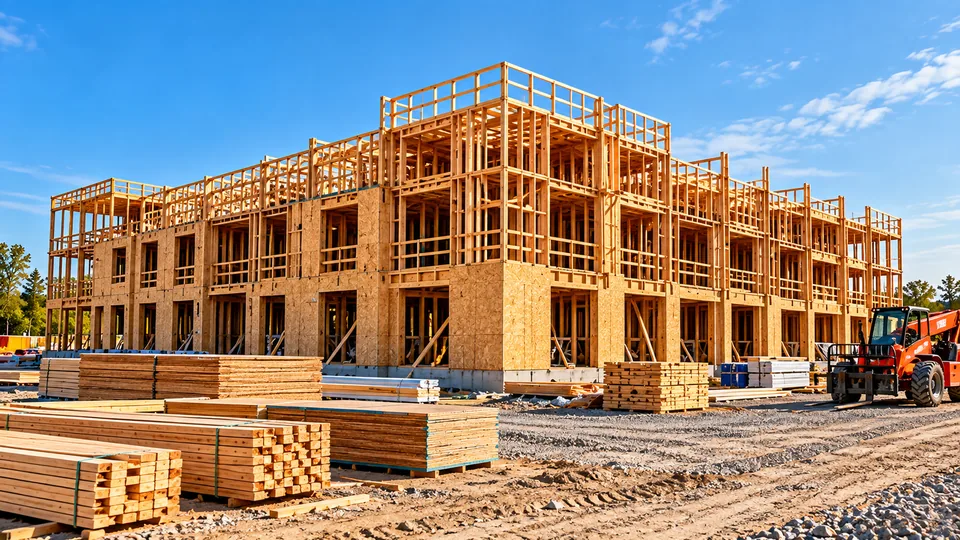
A three-story office building and a five-story apartment building can carry similar construction budgets, yet builders risk underwriters treat them very differently. The apartment building is usually combustible framing on a concrete podium or on grade, divided into hundreds of small rooms, with a long stretch of exposed lumber before any sprinkler head is live. One fire during that window can consume most of the structure and damage the neighbors. That concentration of value in a combustible frame is what shapes the quote.
The second difference is water. Each unit adds a kitchen, at least one bathroom, a water heater or fan coil and dozens of supply connections, stacked floor over floor. A fitting that lets go on the fifth floor after drywall is hung can soak four floors of finished units below it. Many insurers now treat water as a separate underwriting topic with its own deductible and conditions.
The third is timing. Rental projects are financed on a lease-up curve. If a loss pushes delivery past the leasing season, the developer may carry interest and taxes for months with no rent coming in. The core builders risk terms are set on the main builders risk page; this page covers what changes for apartments.
Values, insured interests and contract wording common to every project are set out in our guide to builders risk structure for a construction project.
The Framing Period: Fire Exposure and the Controls Underwriters Ask About
Underwriters typically ask for the construction type, the number of stories of wood framing, the gross square footage of each building and the distance to neighboring structures before they will quote. On podium work they also want the date the podium deck is complete, because the wood frame above it is where the fire load sits. For large wood-frame buildings, some insurers ask for a framing schedule by floor so they can see how long the building stays unsprinklered.
The controls they ask about track published fire safety rules. Federal construction safety rules require a fire protection program through all phases of the work, require sprinkler installation to follow construction closely and be placed in service as soon as applicable laws permit after each story is complete, and require standpipes to be brought up as construction progresses where they are required. NFPA 241, adopted by reference through the major fire and building codes, calls for a fire prevention program manager on buildings under construction. A written plan that names that person, the standpipe and sprinkler milestones and the after-hours security often affects whether a quote is offered and on what terms.
Hot work is the other recurring question. Roofing torches, welding on podium steel and cutting near framing are common ignition sources, and federal rules call for moving or protecting combustibles and posting a fire watch when normal precautions are not enough. Ask whether the policy makes a hot work permit system a condition of coverage, and what happens if a subcontractor skips it.
- Fire prevention program manager named in writing
- Standpipe and sprinkler activation dates by floor
- Perimeter fencing, lighting and after-hours monitoring
- Hot work permits and post-work fire watch
- Temporary heat and power plan for cold-weather drying
Liability, wrap-up and defect questions for the same buildings are covered in our overview of insurance for apartment, condo and tract construction.
Completed Value on an Apartment Project
The declared value should be the replacement cost of the finished project, not the GC's contract alone. On multifamily, the gaps are predictable: the podium or parking structure bid as a separate package, site work and utilities outside the building pads, owner-direct appliance packages, owner-purchased flooring or cabinets, low-voltage and access control systems and amenity buildings. Any of those that will become part of the permanent improvement belong in the value if the developer wants them insured during construction.
Change orders matter more on apartments than on many other building types, because interior selections and unit mix changes are common after groundbreaking. A completed value form set at loan closing can drift well below the real value by topping out. Ask the insurer how value increases are reported, whether there is an automatic increase provision and whether an understated value could reduce a partial loss payment under the form's valuation clause.
Furniture, fixtures and equipment for the leasing office, fitness center and clubhouse are a separate decision. They often arrive late, belong to the owner and may sit outside builders risk entirely. Decide whether they go on builders risk as owner property or onto the permanent property program the day they are delivered.
The loan agreement usually sets the minimum value, loss payee clause and deductible ceiling; see what construction lenders require on insurance.
Water Damage Terms on Stacked Units
Water losses on multifamily projects tend to be frequent and expensive in the aggregate. Insurers often respond with a separate water damage deductible that is higher than the all-other-perils deductible, a written water mitigation plan as a condition and sometimes a requirement for automatic leak detection and shutoff once the plumbing system is pressurized. Read whether the plan is a warranty, where a missed step could jeopardize the claim, or a condition that only changes the deductible.
A practical plan names who charges and tests each riser, how long systems are held under pressure before drywall, when and how the domestic water service is shut off at night and who walks the building after rain events while the envelope is still open. It also covers the roof and podium deck, since wind-driven rain through an unfinished envelope is a separate cause of loss from a plumbing failure and may be treated differently by the form.
The deductible structure deserves attention in the contract as well. If the owner buys the policy and the GC's subcontract chain carries the water deductible, the risk transfer should say so in plain words before a loss rather than after.
GCs negotiating deductible allocation with a multifamily developer can start with residential general contractor insurance and bonds.
Garden-Style Campuses Versus Single-Building Podium Projects
A garden-style community spreads value across many separate buildings with open space between them. A single fire is less likely to take the whole project, and the underwriter may focus on the largest single building and its separation from the next. Turnover usually happens building by building as each receives its certificate of occupancy, which makes the handoff to the owner's permanent property policy a recurring event rather than a single date.
A podium or wrap project concentrates the value in one structure that often opens floor by floor or wing by wing under temporary certificates. The occupied portion and the active construction share the same frame, stairs and fire protection systems. That makes the occupancy condition in the builders risk form, and the insurer's written consent to partial occupancy, central to the program. The detailed mechanics of permission to occupy are covered in our partial occupancy article; the point here is to raise it at quote stage, because an insurer that declines partial occupancy on a single structure can force a choice between delaying move-ins and carrying two policies on one building.
For the endorsement wording and the handoff to permanent property, read our article on permission to occupy during phased turnover.
Lease-Up, Soft Costs and Rental Income
A rental project's pro forma assumes a delivery date and an absorption rate. If a covered fire destroys two buildings in month 11, hard-cost repairs may be insured, but the interest reserve, property taxes, extended professional fees and the rents that would have been collected are separate exposures. Base builders risk forms commonly leave them out unless soft cost and delay in completion extensions are added.
For apartments, the delay limit is often built from monthly stabilized rent by building, multiplied by a realistic rebuild period, with a waiting period in days before coverage starts. Seasonality matters: missing a spring leasing window can cost more than the calendar months alone suggest. The amounts, waiting periods and indemnity periods should come from the lender's budget and the leasing plan, and the insurer will want both.
How waiting periods, indemnity periods and limits are set is covered in our page on soft cost and delay in completion coverage.
Who Buys It, and the Catastrophe Perils by State
Multifamily developers with several projects in the pipeline often control builders risk themselves, either per project or under a master program that adds each new start. That gives the developer one claim relationship, consistent deductibles and a direct line to the lender's insurance consultant. A GC-placed policy can work too, especially on a single project, but the owner and lender then depend on wording the GC negotiated.
Catastrophe perils differ by state. California podium projects raise earthquake questions, and the contract or loan may ask for earthquake limits that are sublimited or excluded in a standard quote. Texas projects on the Gulf Coast face named storm deductibles and flood zone review, and hail is a frequent issue on roofing and windows across Texas. Arizona garden projects often see monsoon wind and water losses during roofing. Compare each catastrophe peril the contract or loan requires against the quote before closing, and document any agreed sublimit or exclusion in writing.
The full developer program, from entitlement to stabilization, is laid out in insurance and bonds for multifamily developers.
Before You Ask for a Quote
What to Gather
- Construction type, stories of wood framing and gross square footage for each building
- Framing schedule by floor with standpipe and sprinkler activation dates
- Completed value broken out by GC contract, podium, site work and owner-direct packages
- Written fire prevention plan naming the program manager, security and hot work procedures
- Water mitigation plan, including riser testing and leak detection
- Lender's insurance exhibit, pro forma and lease-up schedule by building
What to Ask the Insurer or Surety
- Is the water mitigation plan a warranty or a condition, and what deductible applies to water losses?
- Which fire protection steps are written as conditions of coverage?
- How are value increases from change orders reported, and is there an automatic increase?
- Will you consent in writing to partial occupancy of the leasing office or first building?
- What soft cost and rental income limits, waiting periods and indemnity periods can you offer?
- How are earthquake, named storm, flood and hail treated on this project?
Quick Answer
Multifamily builders risk is priced mainly on fire exposure during wood framing and water exposure after drywall. Terms usually depend on written fire protection milestones, water controls, a complete completed value and a plan for building-by-building turnover.
Common Mistake
Declaring only the GC's contract value. Podium packages, site work and owner-direct appliances or finishes then sit outside the limit, and a large fire can leave the developer short on rebuild funds.
Broker Perspective
We read the protective conditions before the price. A hot work warranty or a water plan written as a warranty can matter more to a multifamily claim than a lower rate.
Coverage Impact
Strong fire and water controls can improve the terms an insurer offers. Weak ones may bring higher deductibles, sublimits or a declined quote, and soft cost and rent losses are typically outside the base form unless added.
Questions Buyers Ask
Why did our builders risk quote on a five-over-one come back with a separate water deductible?
Stacked units put many plumbing connections above finished work, so one failure can damage several floors. Many insurers price that with a water damage deductible higher than the standard one and may tie it to a written mitigation plan. Ask whether installing leak detection or adopting a riser testing protocol could lower that deductible, and whether the plan is a warranty or a condition.
Does the podium need to be in the builders risk value if a different contractor builds it?
If the podium will be part of the finished project and the developer wants it insured during construction, it usually belongs in the completed value even when it is bid separately. Leaving it out can understate the limit and may affect a partial loss under some valuation clauses. Confirm the treatment with the insurer and name the podium contractor for its interest.
Can one builders risk policy cover a garden community where buildings finish months apart?
Often yes. A single policy can insure all buildings on a completed value basis, with each building moving to the owner's permanent property policy as it is occupied. The key is a written schedule of turnover dates and the insurer's agreement on how coverage ends for each building, so no structure falls between the two programs.
How do we size rental income coverage for an apartment project still under construction?
Start with stabilized monthly rent by building from the pro forma, then estimate how long a rebuild would push delivery and how leasing seasons affect absorption. The insurer will also ask for the scheduled completion date and the waiting period you can accept. Base the limit on those numbers and keep the worksheet for the claim file.
What fire protection documents should we send before a multifamily builders risk quote?
Send the fire prevention plan naming the person responsible, the framing schedule with standpipe and sprinkler activation dates, site security details, the hot work permit procedure and any fire department conditions on the permit. Underwriters use these to judge how long the frame stays unprotected, and missing documents can narrow the terms offered.
Official Sources
- 29 CFR 1926.150, Fire protection (construction), paragraphs (a)(1), (d)(1)(i) and (d)(2), Occupational Safety and Health Administration. Fire protection program through all phases of construction; sprinklers placed in service as soon as laws permit after each story; standpipes brought up as construction progresses. Verified 2026-10-24.
- 29 CFR 1926.352, Fire prevention (welding and cutting), Occupational Safety and Health Administration. Moving or protecting combustibles during hot work and assigning a fire watch when normal precautions are not sufficient. Verified 2026-10-24.
- NFPA Construction Site Fire Safety Fact Sheet (NFPA 241), National Fire Protection Association. NFPA 241 is referenced by NFPA 1, the IBC, IFC and IRC; owners of buildings under construction must have a fire prevention program manager; hot work and incomplete fire protection are listed risk factors. Verified 2026-10-24.
- AIA Document A101-2017 Exhibit A, Insurance and Bonds (sample), Sections A.2.3.1 and A.2.3.2, American Institute of Architects. Completed value including work and equipment supplied by others; insurer's written consent required before occupancy of any portion before substantial completion. Verified 2026-10-24.
Reviewed by the Principal, Gleason Insurance Brokers, LLCUpdated

