The MEW Study Area in Mountain View
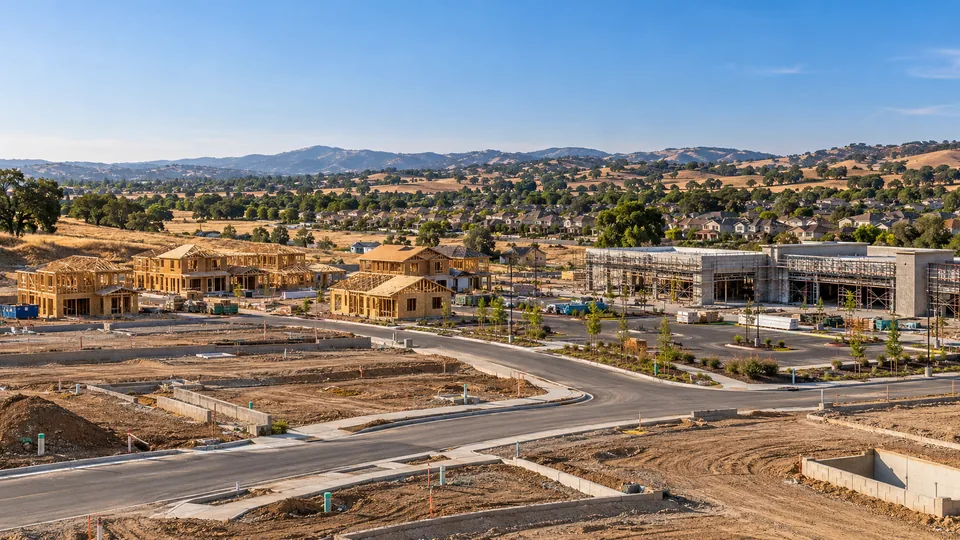
EPA describes the Middlefield-Ellis-Whisman (MEW) Study Area as located in Mountain View, alongside portions of the former Naval Air Station Moffett Field Superfund site. Past semiconductor and industrial operations left trichloroethene (TCE) in soil gas and groundwater. In 2010, EPA amended its decision to select mitigation measures to address vapor intrusion into buildings overlying shallow subsurface contamination.
EPA has also used agreements with purchasers so that redevelopment, including construction of homes, can move forward in a manner protective of health. In practice, that means new buildings in the area are designed with vapor mitigation, and owners, designers and contractors work within an EPA-overseen remedy. That is a different starting point from a clean infill lot elsewhere in the valley.
How CPL forms handle known conditions and vapor exposures is explained in contractors pollution liability for redevelopment sites.
Pollution Exposure During Construction
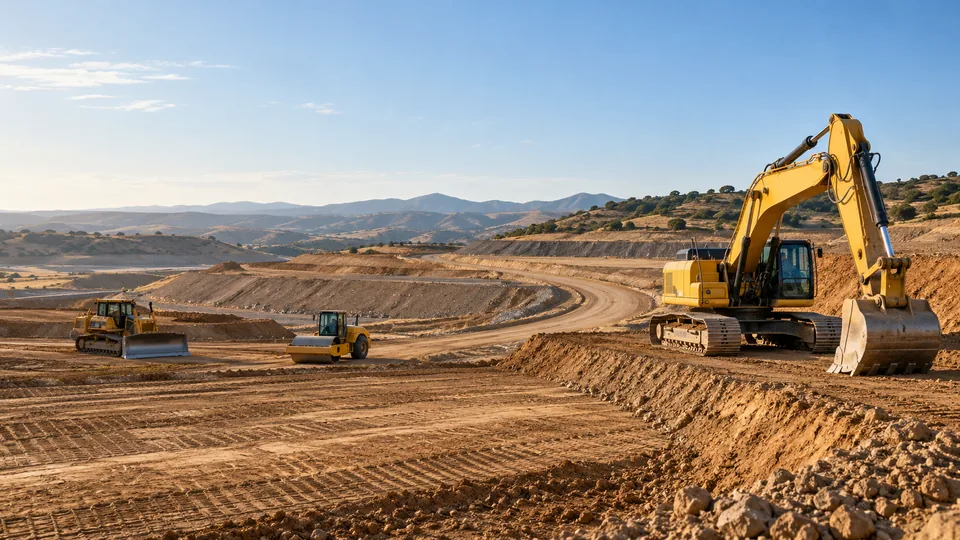
Excavation, dewatering and utility trenching can disturb TCE-impacted soil and groundwater and create new vapor pathways. A GL policy with a total pollution exclusion may not respond if a worker, neighbor or tenant claims exposure, or if contaminated material must be handled and disposed of unexpectedly.
Contractors pollution liability is designed for that gap, but forms vary on known conditions, disposal sites, transportation and mold. On a site with a documented remedy, the underwriter will want the environmental reports and the soil management plan, and may ask how the contractor will follow them. A project-specific pollution policy can dedicate limits to one redevelopment rather than sharing them with every other job.
When a dedicated pollution policy for a single project makes sense is covered in project-specific pollution coverage for one redevelopment.
Vapor Mitigation Systems and Completed Operations
A vapor barrier and sub-slab venting system is part of the building. If it is damaged during later trades, installed incorrectly or performs below expectations, claims may reach the installer, the GC and the designer years after turnover. Completed-operations coverage under GL may not respond if pollution exclusions apply, which is why some contractors look to CPL with completed-operations coverage for this work.
Developers should map who designed the system, who installed it, who inspects it and who maintains it after turnover, then confirm each party's insurance matches that role. Contract indemnity and additional-insured requirements should be written with the remedy in mind, not copied from a standard form.
How the completed-operations hazard typically works is explained under completed operations exposure after turnover.
Valley Water Permits for Work Near Creeks and Facilities
Under its Water Resources Protection Ordinance, Valley Water requires permits for projects or activities that occur on Valley Water fee title property, are within Valley Water easements or may impact Valley Water facilities. Applications go with a filing fee, and the permit becomes one more set of conditions the project must satisfy before crews touch a channel, levee or pipeline right of way.
For civil and underground contractors, that is an additional permit holder with its own conditions on top of the city permit. Outfalls, utility crossings and grading along creek corridors are common on Silicon Valley infill and campus projects. Read the permit conditions with the subcontract so that responsibility for damage to a channel or facility, and any insurance the permit calls for, is assigned before work starts.
Coverage and bonding for utility, grading and storm drain work is set out for underground utility and civil contractor insurance.
Valley Water Permit Insurance, Fill and Repair Terms
Valley Water's encroachment permit application (Document F-751-127, Revision L, effective July 22, 2025) says a certificate of insurance and an additional insured endorsement acceptable to Valley Water must be provided before the permit issues. Valley Water and its directors, officers, agents, employees and volunteers must be named as additional insureds on the general liability, automobile liability and workers' compensation policies, and they must remain on until the later of permit expiration or completion of all of the applicant's activities on Valley Water right-of-way. Specific limits sit on a separate insurance sheet (WF75113).
The application also asks for photographs of the right-of-way before work starts, an Import Borrow Certificate stating that imported fill contains no hazardous materials, review of any dewatering or diversion plan and a plan note that damage to Valley Water structures, equipment, vegetation or property be replaced or repaired in kind. Work on listed reaches, including the Guadalupe River from Alviso to Blossom Hill Road and Coyote Creek from San Francisco Bay to Montague Expressway, needs added review time because federal agencies sponsored or built improvements there. The listed initial filing fee is $500, if applicable.
Read those terms with the insurance program. The additional-insured duration can outlast a short project policy term, so check the policy period and any extension. The fill certification puts contaminated import on the applicant, a pollution question that a GL total pollution exclusion may not answer and a CPL form may, depending on its transported-cargo and disposal wording. Repair-in-kind duty for channel damage is damage to another owner's facility, and care, custody or control wording can matter where crews work on the facility itself.
How CPL is typically written for grading and imported fill is covered in pollution coverage for site development.
Bay Area Air District Asbestos Rules Before Demolition
Santa Clara County sits inside the Bay Area Air District, whose Regulation 11, Rule 2 governs asbestos in demolition and renovation. The Air District's asbestos FAQ (updated June 4, 2025) says Section 11-2-303.8 requires an asbestos survey before demolition starts, performed by a Cal/OSHA-certified person, and Section 11-2-401.3 requires notice from the property owner or contractor at least 10 working days before demolition of a load-bearing structure, or before renovation removing 100 square feet, 100 linear feet or 35 cubic feet or more of regulated asbestos-containing material. The FAQ adds that the Air District job number is one of the requirements for a city or county demolition permit.
The FAQ also says notice is needed for load-bearing demolition even when no asbestos is present, that a job starting before or running past the notified dates counts as a failure to notify and that not showing the survey on or before the start date may lead to a Notice of Violation. It warns that asbestos-containing materials can be found in newer buildings as well as old ones.
On office and campus teardowns, that makes the survey and the notice schedule a contract and insurance item. Asbestos is commonly excluded from GL and from some CPL forms unless added back, so check the abatement subcontractor's own pollution form and limits, and name in the contract who holds the job number and who updates its dates. Liability policies often exclude or limit fines and penalties, so violation and delay costs typically rest on the contract terms.
How asbestos and demolition exposures are typically handled is explained in pollution coverage for demolition and remediation.
City Right-of-Way Permits Set Different Insurance Floors
Encroachment permits in Silicon Valley are issued city by city, and the terms are not uniform. Cupertino's encroachment permit application (revised May 2024) requires commercial general liability with a combined single limit of $2.0 million per occurrence and $4.0 million aggregate, an endorsement naming the city as additional insured, insurance that is primary and noncontributory and insurers rated A, Class VII or better. It also requires a contractor with a current Class A or appropriate Class C license, a broad indemnity of the city and permanent paving within five working days after completion.
Milpitas' encroachment permit page asks for at least $1,000,000 per occurrence for general liability, business auto and workers' compensation, additional insured status for the city and its officials, standard separation-of-insureds wording with no special limits on the scope of protection, and it lets the city require surety bonds, a cash deposit or both for 100 percent of the cost of the work to secure completion and a one-year warranty.
A utility or paving contractor working in several Santa Clara County cities on one program can meet one city's floor and miss the next. Build the certificate schedule from the highest permit requirement on the route, confirm the umbrella follows form for additional insureds and check whether each city wants a permit bond or deposit. Requirements change, so confirm the current version with each city's public works department, including San Jose's.
How permit bonds and deposits typically work across California is covered in California encroachment permit bonds.
Campus, Lab and Data Center Redevelopment
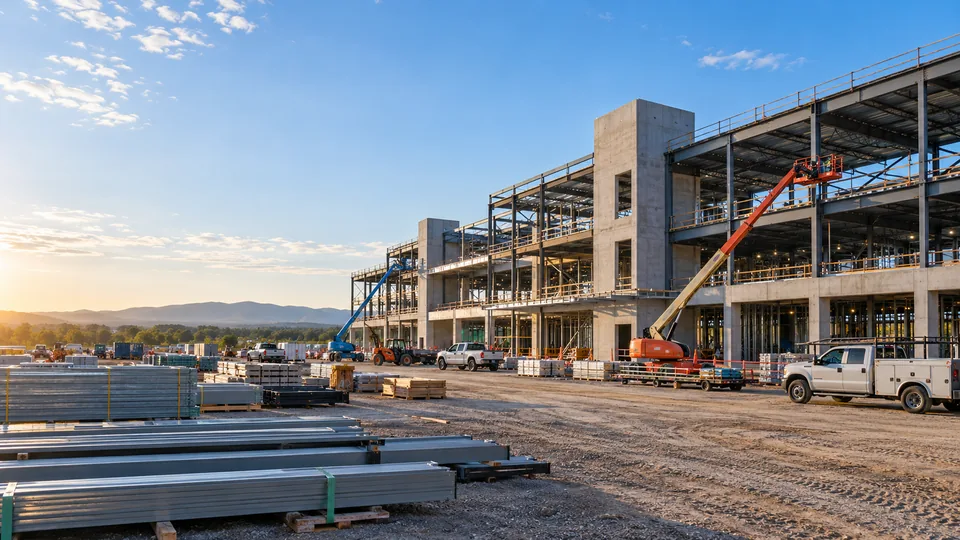
Many Silicon Valley projects replace older office and industrial buildings with housing, labs or data centers. Those projects carry high-value electrical and mechanical systems plus testing, commissioning and tight tenant schedules. When they sit on land with legacy contamination, they stack builders risk, pollution and completed-operations questions on one job.
Builders risk for these projects should address testing and commissioning, off-site equipment and delay in startup where the financing requires it. Bonds required by owners or public agencies protect the obligee, and the contractor owes the surety indemnity if a claim is paid.
How commissioning and high-value equipment are typically insured is covered in builders risk for data center and lab projects.
Building a Silicon Valley Program
A Silicon Valley redevelopment program often combines CPL, project or practice GL with completed-operations terms checked against pollution exclusions, builders risk sized to systems values and the permits that Valley Water or EPA oversight bring. California licensing, bonding and public-works rules still apply underneath.
Start with the environmental reports, the remedy documents and the permit conditions. To review a specific San Jose or Silicon Valley project, request a quote or call 844-978-7283.
Before You Ask for a Quote
What to Gather
- Phase I and Phase II environmental reports and any EPA remedy documents
- Soil and groundwater management plan for excavation and dewatering
- Vapor mitigation system design, installer and inspection plan
- Valley Water permit application or conditions for work in its easements
- Contracts for the installer, grading and utility subcontractors
- Lender or buyer environmental insurance requirements
- Bay Area Air District asbestos survey, lab report and job number for any demolition
- Encroachment permit insurance terms for each city on the work route
What to Ask the Insurer or Surety
- Does the CPL exclude known conditions or treat a documented remedy differently?
- Does the policy respond to transportation and disposal of impacted soil?
- Is completed-operations coverage on the vapor system limited by a pollution exclusion?
- Who carries responsibility for damage to Valley Water facilities under the permit and subcontract?
- Would a project-specific pollution policy fit better than practice CPL?
- Does builders risk include testing and commissioning for lab or data center systems?
- Does the CPL or abatement form add back asbestos, and who holds the Air District job number?
- Does the umbrella follow form for each city's additional insured and primary wording?
Quick Answer
In Silicon Valley, EPA's vapor intrusion remedy in Mountain View's MEW study area and Valley Water's permit rules move pollution coverage, completed operations and permit-driven contract terms to the front of the plan.
Common Mistake
Relying on a GL policy with a total pollution exclusion for grading and vapor-system work on a site with documented TCE, then finding no coverage when an exposure claim arrives.
Broker Perspective
Read the remedy documents and the permit conditions first. They show which parties touch the contamination and which need CPL or completed-operations terms that survive pollution exclusions.
Coverage Impact
CPL may respond where GL excludes pollution, depending on the form's known-conditions wording; completed operations on vapor systems may need CPL; bonds protect obligees, not contractors.
Questions Buyers Ask
Do we need pollution coverage to build townhomes in Mountain View's MEW area?
It is often a good idea. EPA's remedy requires vapor intrusion mitigation for buildings over shallow contamination, and grading, dewatering and trenching can disturb impacted soil and groundwater. A GL total pollution exclusion may block those claims. Contractors pollution liability may respond, depending on how the form treats known conditions and disposal.
Who is liable if a sub-slab vapor system fails after the homes are sold?
Claims may reach the designer, installer and GC, depending on what went wrong and what the contracts say. GL completed-operations coverage may not respond if a pollution exclusion applies, so installers and GCs often look to CPL with completed-operations protection. Map each party's role and confirm insurance fits it before work begins.
When does a Silicon Valley project need a Valley Water permit?
Valley Water requires a permit for work on its fee title property, within its easements or that may affect its facilities. Utility crossings, outfalls and grading along creek corridors are common triggers to check. The permit carries its own conditions. Read them alongside the subcontract so responsibility for damage to the facility is assigned clearly.
Is a data center redevelopment in Santa Clara County insured differently from an office build?
Usually. Data centers and labs carry high-value electrical and cooling systems that are tested and energized before turnover, and many builders risk forms limit testing loss unless extended. If the site also has legacy contamination, pollution coverage and completed-operations terms join the same review.
Do we need an asbestos survey before tearing down an office building in Santa Clara County?
The Bay Area Air District says Regulation 11, Rule 2 requires an asbestos survey before demolition and notice at least 10 working days ahead for load-bearing demolition, even with no asbestos found. Asbestos is commonly excluded from GL, so check the abatement contractor's pollution form and who holds the job number.
Are encroachment permit insurance limits the same across Silicon Valley cities?
No. Cupertino's application calls for $2.0 million per occurrence and $4.0 million aggregate, primary and noncontributory, while Milpitas lists $1,000,000 per occurrence. Limits can change, so confirm the current terms with each city and size the program to the highest requirement on the job.
Official Sources
- Case Summary: Third-Party Agreement Supports Cleanup and Redevelopment at the Middlefield-Ellis-Whisman (MEW) Study Area, U.S. Environmental Protection Agency. MEW Study Area in Mountain View, alongside portions of the former NAS Moffett Field Superfund site; TCE soil gas; 2010 amendment selecting vapor intrusion mitigation for buildings over shallow contamination; redevelopment including homes moving forward protectively. Verified 2026-10-23.
- Permits for working on Valley Water land or easement, Santa Clara Valley Water District. Under the Water Resources Protection Ordinance, permits are required for work on Valley Water fee title property, within Valley Water easements or that may impact Valley Water facilities; applications must include the filing fee unless exempt. Verified 2026-10-23.
- Encroachment Permit Application/Request for Real Estate Services (F-751-127, Revision L, effective 7-22-2025), Santa Clara Valley Water District. COI and additional insured endorsement before issuance; Valley Water and its directors, officers, agents, employees and volunteers additional insureds on general, auto and workers' compensation until the later of permit expiration or completion; Import Borrow Certificate for imported fill; photo documentation; damage repaired or replaced in kind; federal agency review reaches (Guadalupe River Alviso to Blossom Hill Road, Coyote Creek Bay to Montague Expressway); $500 initial filing fee if applicable. Verified 2026-10-27.
- Asbestos Frequently Asked Questions (updated June 4, 2025), Bay Area Air Quality Management District. Jurisdiction includes Santa Clara County; Sec. 11-2-303.8 survey before demolition by Cal-OSHA certified person; Sec. 11-2-401.3 notice by owner or contractor at least 10 working days before load-bearing demolition or renovation of 100 sq ft/100 linear ft/35 cu ft RACM; J number required for city/county demolition permit; Sec. 11-2-401.5 schedule changes; Notice of Violation if survey not shown; asbestos in newer buildings. Verified 2026-10-27.
- Encroachment Permit Application (revised 5/2024), City of Cupertino Public Works Department. CGL combined single limit $2.0 million per occurrence, $4.0 million aggregate; certificate and endorsement naming the City as additional insured; insurers licensed in California with Best A, Class VII or better; primary and noncontributory; indemnity; Class A or appropriate Class C license; permanent paving within 5 working days. Verified 2026-10-27.
- Encroachment Permits, City of Milpitas. Encroachment permit required for all work in a City street and right of way; $1,000,000 per occurrence minimum for general liability, business auto and workers' compensation; City and officials as additional insureds; separation of insureds; surety bonds and/or cash deposit for 100 percent of the cost of work securing completion and a one-year warranty. Verified 2026-10-27.
Reviewed by the Principal, Gleason Insurance Brokers, LLCUpdated